"Shchedryk" is a famous Ukrainian folk song, arranged by composer Mykola Leontovych at the beginning of the 20th century. This melody has become a symbol of Ukrainian culture and one of the most popular pieces in the world, especially during the Christmas season.
Leontovych, who was born on December 1 (Old Style), 1877, was not only a composer but also a choral conductor, teacher, and researcher of Ukrainian folklore. "Shchedryk" was originally written for choral performance and is based on the traditions of Ukrainian "shchedruvannya"—a ritual associated with the celebration of the New Year and Christmas. The song tells the story of a swallow that flew in during the spring, foretelling a bountiful harvest and a happy life.
The song was first performed in 1916 and quickly gained popularity; it was subsequently adapted into many languages.
One of the most famous adaptations of "Shchedryk" is the English version, "Carol of the Bells," which has become an integral part of the Christmas musical repertoire in the United States of America and many other countries. This interpretation preserved the original spirit and melody but introduced elements of Western musical tradition to the work.
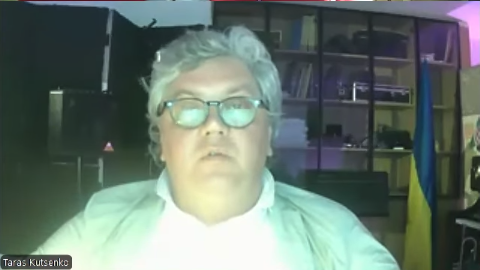
In 2018, during a scientific and practical mission in China, Ukrainian conductor and composer Taras Kutsenko wrote his own version based on the theme of "Shchedryk" and titled it "Shchedryk. Stop war."
The first performance took place on December 1, Mykola Leontovych's birthday, at the Cloud Tops Concert Hall (Zhangjiajie, China), performed by the Ukrainian Honored Symphony Orchestra, led by the author, Taras Kutsenko, as chief conductor.
Three years later, an international team of producers and musicians released another, more expanded version of this work, and created a short fairy-tale film based on an original script by American writer Alex Sino. This project was released on Warner Music platforms featuring renowned international musicians, such as guitarist Al Di Meola, saxophonist Ed Calle, singer Amaury Gutiérrez, percussionist Richard Bravo, and others.
The Ukrainian "Shchedryk" is not only a musical masterpiece but also an important cultural symbol of Ukraine. It embodies the richness and diversity of Ukrainian folk art, and also serves as a connecting link between generations and cultures. The song continues to be performed today, inspiring new generations of musicians and listeners.
Leontovych, who was born on December 1 (Old Style), 1877, was not only a composer but also a choral conductor, teacher, and researcher of Ukrainian folklore. "Shchedryk" was originally written for choral performance and is based on the traditions of Ukrainian "shchedruvannya"—a ritual associated with the celebration of the New Year and Christmas. The song tells the story of a swallow that flew in during the spring, foretelling a bountiful harvest and a happy life.
The song was first performed in 1916 and quickly gained popularity; it was subsequently adapted into many languages.
One of the most famous adaptations of "Shchedryk" is the English version, "Carol of the Bells," which has become an integral part of the Christmas musical repertoire in the United States of America and many other countries. This interpretation preserved the original spirit and melody but introduced elements of Western musical tradition to the work.
In 2018, during a scientific and practical mission in China, Ukrainian conductor and composer Taras Kutsenko wrote his own version based on the theme of "Shchedryk" and titled it "Shchedryk. Stop war."
The first performance took place on December 1, Mykola Leontovych's birthday, at the Cloud Tops Concert Hall (Zhangjiajie, China), performed by the Ukrainian Honored Symphony Orchestra, led by the author, Taras Kutsenko, as chief conductor.
Three years later, an international team of producers and musicians released another, more expanded version of this work, and created a short fairy-tale film based on an original script by American writer Alex Sino. This project was released on Warner Music platforms featuring renowned international musicians, such as guitarist Al Di Meola, saxophonist Ed Calle, singer Amaury Gutiérrez, percussionist Richard Bravo, and others.
The Ukrainian "Shchedryk" is not only a musical masterpiece but also an important cultural symbol of Ukraine. It embodies the richness and diversity of Ukrainian folk art, and also serves as a connecting link between generations and cultures. The song continues to be performed today, inspiring new generations of musicians and listeners.
Proceedings of the international scientific conference УДК [008+316.77] (063) К90