Ceremonial music is more than just a background. It is a powerful tool capable of lending solemnity to an event, setting the mood, and remaining forever in the memory of its participants. Each piece carries a cultural code and a history, making any event—be it a wedding, a state holiday, or even a farewell—deeper and more meaningful. Let's take a journey into the world of ceremonial music for different life situations, from the most personal to the national.
Wedding Music: Not Just Mendelssohn
When we think of weddings, two pieces almost reflexively come to mind. The first is the "Wedding March" from Felix Mendelssohn's music for the comedy A Midsummer Night's Dream.
Interestingly, the composer himself never intended it for actual weddings. The second is the majestic "Bridal Chorus" from Richard Wagner's opera Lohengrin, to which newlyweds traditionally make their entrance.
But the world of classical music offers many other, no less beautiful, options:
Russian Classics: To create a lyrical and mysterious atmosphere, the chorus "Lel, mysterious, delightful" from Mikhail Glinka's opera Ruslan and Lyudmila
or the tender song "The Swan is Floating" ("Plyvyot, plyvyot lebyodushka") from Modest Mussorgsky's Khovanshchina are ideal.
European Flair
The cheerful and energetic overture to the opera The Bartered Bride by Czech composer Bedřich Smetana will fill the celebration with joy.
For Bold Experimenters: If you truly want to stand out, consider the second part of Igor Stravinsky's cantata Les Noces (Svadebka). This avant-garde and powerful work reflects ancient, almost pagan rituals and will become an unforgettable highlight.
Music of Farewell: The Depth of Grief and Light Sadness.
At funerals, music helps express what is difficult to say in words. The undisputed canon here is Frédéric Chopin's "Funeral March"—the third movement of his Piano Sonata No. 2.
This piece has become a symbol of mourning worldwide. However, other compositions can accompany a farewell ceremony:
Wolfgang Amadeus Mozart's "Requiem," especially its "Lacrimosa" section, conveys the full depth of tragedy and sorrow.
For a brighter and more serene atmosphere, Franz Schubert's "Ave Maria" is suitable—a prayer full of hope and peace.
In the English-speaking world, one of the most popular and moving melodies is "Amazing Grace"—a Christian hymn about forgiveness and redemption, often played on the bagpipes, especially at funerals for military personnel and firefighters.
Birth, Coming of Age, and Birthdays: Celebrating Life.

The birth of a child is one of the most joyous events. Light, bright, and gentle music is appropriate here, such as Johannes Brahms' "Lullaby" or Ludwig van Beethoven's famous melody "Für Elise."
As for birthdays, one immortal melody reigns supreme—"Happy Birthday to You."
Its story is remarkable: written in 1893 by the Hill sisters in the USA as a classroom greeting song ("Good Morning to All"), it eventually changed its lyrics and became the most recognizable song in the world.
Many cultures have their own counterparts. For instance, in Latin American countries, the cheerful song "Las Mañanitas" is sung on birthdays, wishing the person a good morning and many years of life.
Graduation Music: Farewell and a New Start.
Graduating from school or university is an important milestone, symbolizing both a farewell to the past and a step into the future. Music for graduation ceremonies often combines solemnity and nostalgia.
In English-speaking countries, the absolute standard for graduation ceremonies is March No. 1 from "Pomp and Circumstance" by British composer Edward Elgar.
Music for State Holidays: Anthems and Marches.
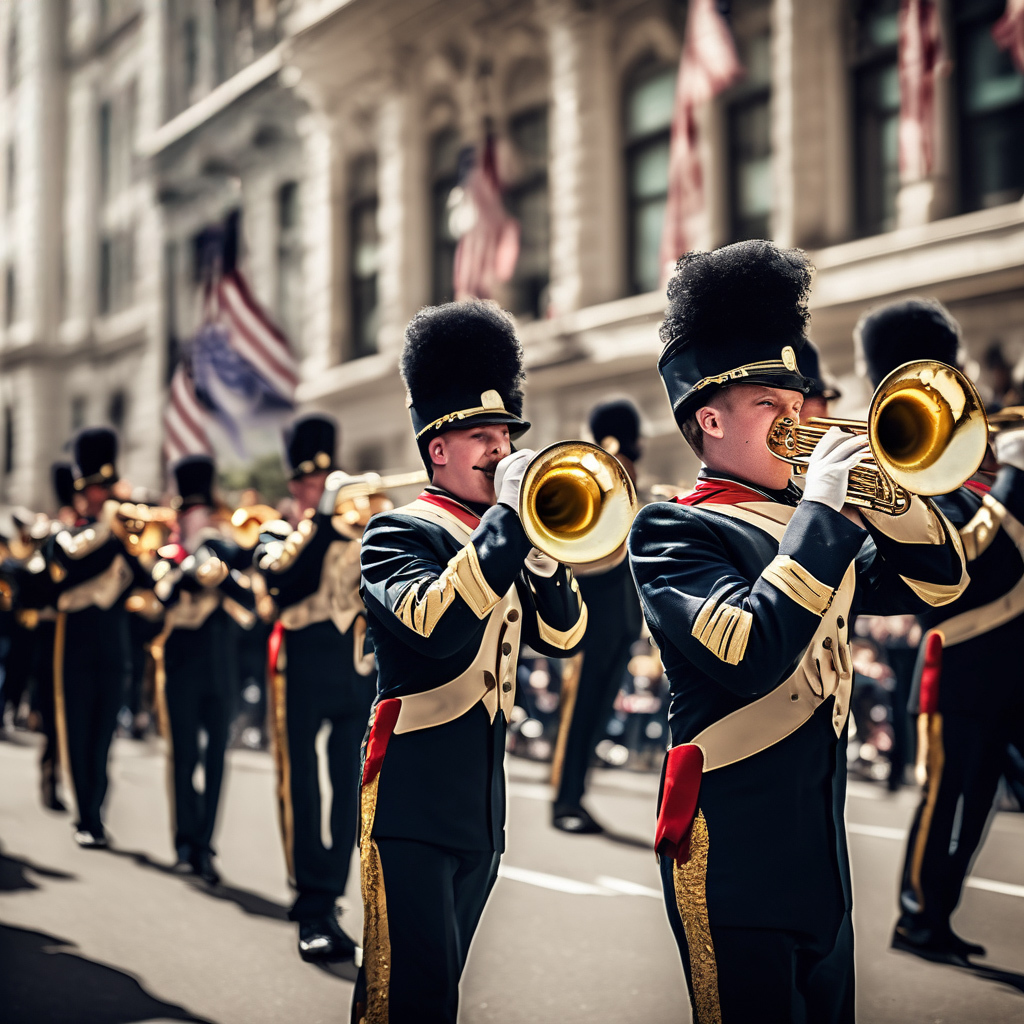
State ceremonies require special music capable of instilling a sense of unity and patriotism. Anthems and military marches are perfect for this task.
In the USA, no major holiday, from Independence Day to sporting events, is complete without the national anthem, "The Star-Spangled Banner."
In France, the symbol of the nation is "La Marseillaise," born during the French Revolution.

Holiday music can also reflect cultural specifics. For example, in Austria and Germany, Christmas celebrations are unthinkable without the hymn "Silent Night" ("Stille Nacht"), which was first performed in a small Austrian village.
In contrast, the cheerful "Jingle Bells" has purely American origins and was initially written for Thanksgiving.
China's Special Path: From Confucian Rituals to Modern Celebrations.
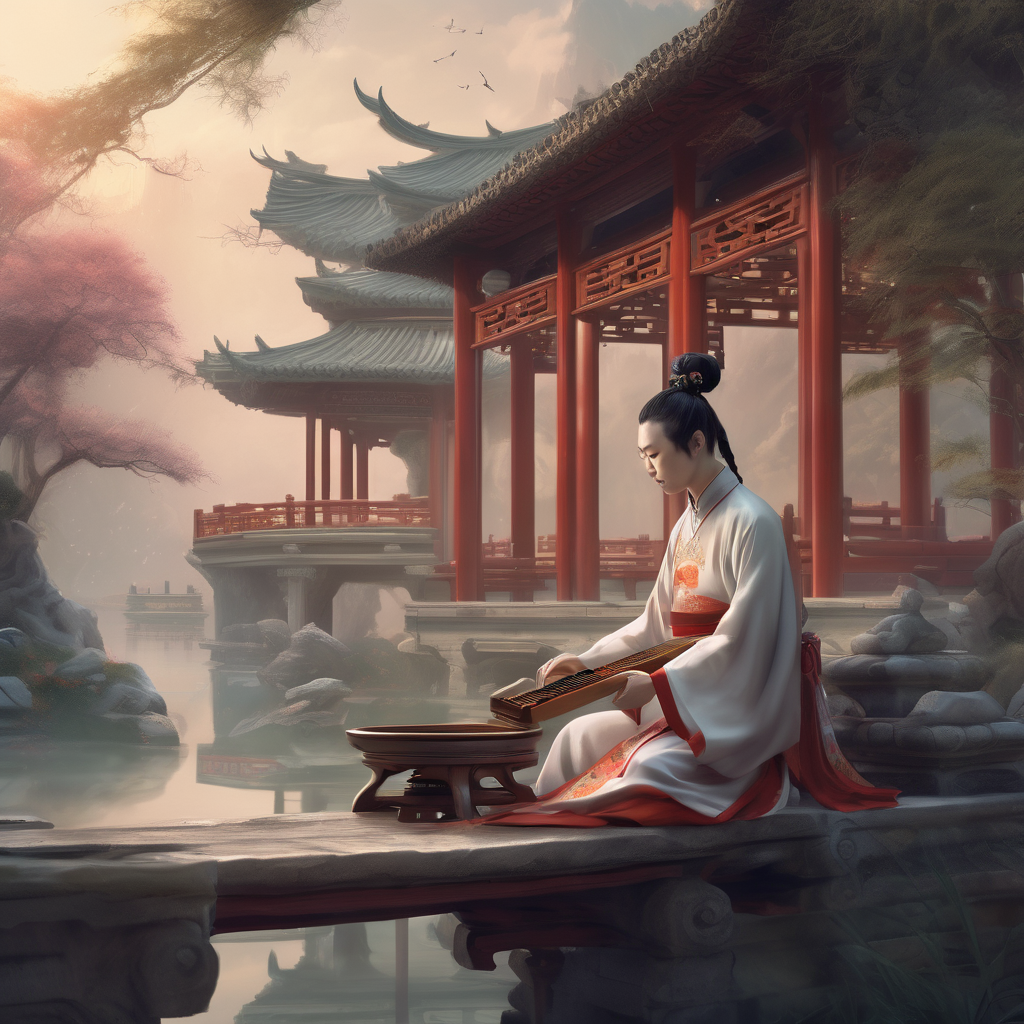
Chinese civilization, one of the oldest in the world, possesses a unique and deeply symbolic musical tradition. As far back as the time of Confucius, music was considered the most important element for harmonizing society and governing the state.
Imperial Rituals and Festivals: At the emperor's court, there was a special ritual music called yayue ("elegant music"). It was performed during sacrifices, receptions, and the most important state ceremonies. The sounds of stone and bronze bells, the guqin zither, and flutes created an atmosphere of grandeur and order, reflecting cosmic harmony.
Wedding Traditions: A traditional Chinese wedding is accompanied by loud and joyful music. Wind instruments, such as the suona (similar to an oboe), and percussion—drums and cymbals—play a leading role. Their loud sounds are intended to scare away evil spirits and attract good fortune for the newlyweds. A popular wedding melody is "One Hundred Birds Pay Homage to the Phoenix" (Bai Niao Chao Feng), symbolizing respect for the bride.
Funeral Music: For funeral processions.

Funeral Music: For funeral processions, music is used to create an atmosphere of dignity and sorrow. Brass bands playing slow, drawn-out melodies can often be heard.
Modern Celebrations: Today, in addition to traditional motifs, many modern, specially written songs are played at Chinese holidays, especially during the Lunar New Year (Spring Festival).
Modern Celebrations: Today, in addition to traditional motifs, many modern, specially written songs are played at Chinese holidays, especially during the Lunar New Year (Spring Festival).
One of the most famous is "Wishing You a Happy New Year" (Gongxi Gongxi). Originally written after the end of World War II to celebrate liberation, it quickly became the main New Year's hit, symbolizing joy and hope.
Ceremonial music is a living language of culture. By choosing a particular piece, we not only adorn an event but also weave it into the rich tapestry of world history and human emotions, creating a soundtrack for the most important moments of our lives.