It is very gratifying to observe the progress and growing interest in the art of conducting in our time. Once seemingly elitist and closed off, the conducting profession today attracts more and more young talent, and the art of conducting itself is being actively popularized. This is facilitated by numerous competitions, master classes, and the openness of many masters who are ready to share their invaluable experience with the new generation.
The Path to the Conductor's Podium.
How does one become a conductor? It is a long and multifaceted journey that requires not only a flawless musical ear and sense of rhythm but also deep theoretical knowledge, leadership qualities, and colossal dedication. A future conductor must master at least one instrument, study solfege, harmony, polyphony, music history, and, of course, the art of score reading—the ability to "hear" all the orchestra parts simply by looking at the musical text. The education received at a conservatory is merely the starting point of a long career.
The Role of Competitions and Generational Succession.
Professional competitions play a key role in the development of young maestros. They not only provide a chance to make a name for oneself and gain recognition but also serve as a unique platform for exchanging experience and professional growth. Participating in such contests is a serious test, demanding maximum concentration, artistry, and the ability to establish contact with an unfamiliar orchestra in the shortest possible time.
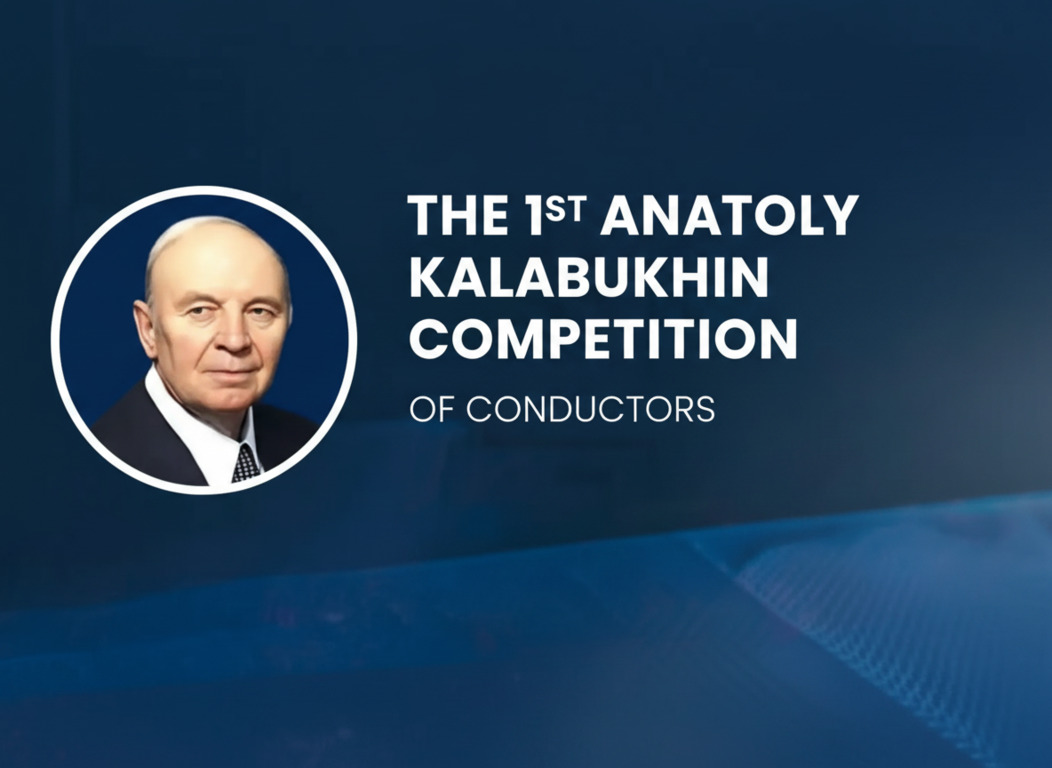
A striking example of such an event was the First All-Ukrainian Anatoliy Kalabukhin Conductors Competition held in Ukraine. It clearly demonstrated the high level of young Ukrainian musicians. In the "Opera and Symphony Conducting" nomination (Category A II), the winners were:
1st Place: Kateryna Bai
3rd Place: Margarita Volikova and Maxim Reshetnikov
These names are a testament to the fact that the school of conducting is alive and evolving, and the traditions laid down by the great masters of the past are finding their continuation in the hands of talented youth. The succession and exchange of experience between generations are the keys to the future of symphonic and opera music. When experienced conductors take young colleagues under their wing, they not only pass on knowledge but also help to preserve and enhance our cultural heritage.